How to Choose the Best Liquid Handling System for Your Needs?
Choosing the right liquid handling system is crucial for efficiency and accuracy in laboratory settings. Dr. Emily Carter, a leading expert in liquid handling technology, emphasizes, “The right system can significantly enhance your workflow and reduce error rates.” Various factors influence this choice, including the specific applications and volume requirements.
Each liquid handling system offers unique features, designed for different tasks. Consider automation, precision, and user-friendliness when evaluating options. Your laboratory's needs may change, requiring a flexible system. This adaptability is essential for future growth.
Take time to analyze your current processes. Are they efficient? Are there areas for improvement? Reflecting on these questions can guide you to make the best decision for your liquid handling needs. The right choices lead to improved outcomes in research and development.
Understanding the Different Types of Liquid Handling Systems
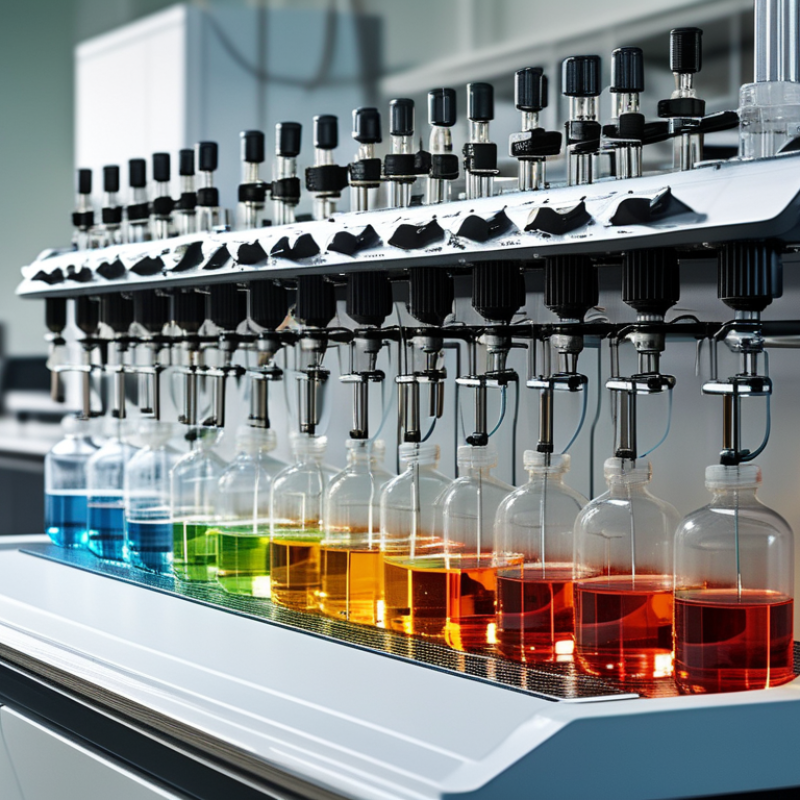
Understanding the different types of liquid handling systems is crucial for efficient lab operations. There are various systems available, each catering to specific needs. Some common types include manual pipettes, electronic pipettes, and automated liquid handling robots. Manual pipettes are great for precision tasks, while automated systems can handle high-throughput workloads. Choosing the right system can greatly impact productivity and accuracy.
When selecting a liquid handling system, consider your specific requirements. Identify the volume ranges, types of liquids, and level of precision needed. Automated systems often have higher initial costs but can save time in the long run. Training is also a consideration; employees must be familiar with the chosen system to maximize its potential.
For effective use, always keep maintenance in mind. Regular calibration can ensure accurate results and extend the lifespan of your equipment. Understand your current workflows and how a new system could fit in. Don’t ignore the human factor—experience and familiarity with the system can influence overall effectiveness in the lab.
How to Choose the Best Liquid Handling System for Your Needs?
| Type of Liquid Handling System |
Key Features |
Suitable Applications |
Pros |
Cons |
| Manual Pipettes |
Lightweight, versatile, user-friendly |
Basic lab work, small volume transfers |
Low cost, easy handling |
Labor-intensive, limited throughput |
| Automated Pipetting Systems |
High precision, programmable, multi-channel |
High-throughput applications, consistent sample processing |
Increased efficiency, reduced human error |
Higher initial investment, complex setup |
| Liquid Dispensers |
Fixed and adjustable volume options, simple operation |
Reagent dispensing, large sample sizes |
Cost-effective for large volumes |
Limited precision compared to pipettes |
| Microfluidic Systems |
Manipulation of small volumes, integration of multiple processes |
Advanced research, diagnostics, assay development |
High throughput, minimized reagent usage |
Potentially complex, requires specialized knowledge |
Key Factors to Consider in Choosing a Liquid Handling System
When choosing a liquid handling system, several key factors come into play. Start by assessing the volume requirements. Systems can vary significantly in their capacity to handle small-scale pipetting versus larger volumes. A mismatch in these needs could lead to inefficiency and wasted resources. This consideration is often overlooked but is fundamental to optimizing workflow.
Next, think about the type of liquids you will be handling. Some systems are designed for viscous substances, while others excel with volatile compounds. Understanding the chemical properties of your liquids leads to better choices. It also mitigates risks associated with cross-contamination, which can compromise results. Another point to reflect on is the ease of automation. A user-friendly interface can save time and reduce the likelihood of human error.
While it is tempting to acquire systems that boast a myriad of features, assess their relevance. More features don’t always equal better performance. Simplicity can often enhance reliability, especially in busy lab environments. Regular maintenance is crucial, as neglecting it may lead to system failures or inaccurate results. Finding a balance between sophistication and practicality ensures the chosen system truly meets your needs.
Evaluating Your Specific Application Needs for Liquid Handling
When selecting a liquid handling system, it's crucial to evaluate your specific application needs. Different laboratory tasks require tailored solutions to ensure efficiency and precision. According to a report by the National Institute of Standards and Technology, improper handling can lead to errors impacting results by over 25%. Hence, understanding the use case is essential.
Consider the type of liquids you will be dealing with. Viscosity, volatility, and sensitivity are significant factors. For example, handling viscous liquids may necessitate a system with higher torque ratings. A study from the Journal of Lab Automation emphasizes the necessity of matching system specifications to your liquid characteristics. Neglecting this can result in significant operational inefficiencies.
Also, assess the required throughput. Are you processing small volumes or large batches? The American Chemical Society notes that scaling up operations without proper system alignment can lead to bottlenecks. Many laboratories overlook this, leading to wasted resources and time. Careful analysis of these factors can guide your choice of a liquid handling system that truly meets your needs.
Assessing the Budget and Cost-Effectiveness of Liquid Handling Systems
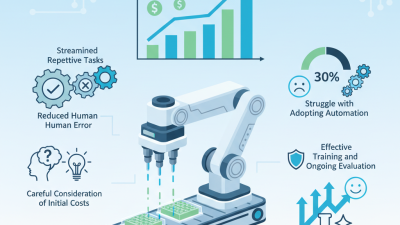
Assessing the budget for a liquid handling system is crucial. A recent report from the International Society for Automation indicates that cost effectively designed systems can yield savings of up to 30% over time. This includes savings on labor and material costs. When selecting a system, evaluating both initial investments and long-term operational costs is essential.
Consider the total cost of ownership beyond purchase price. Maintenance, replacement parts, and training can add up quickly. For example, some systems may have a lower initial cost but higher maintenance fees. An analysis from Biotechnology Research International suggests that choosing systems with proven reliability can minimize unexpected expenses, enhancing budget control.
Evaluate your actual needs against the system's capabilities. Avoid overspending on features you won't use. Invest in quality over quantity. Look for systems with a reputation for durability. This can ensure you won't need to replace equipment frequently. A well-chosen system not only fits your budget but also enhances lab efficiency, saving time and resources. It's a balancing act that requires careful consideration and insight into existing market options.
Cost-Effectiveness of Liquid Handling Systems
Exploring Brands and Vendor Support in Liquid Handling Solutions
When selecting a liquid handling system, vendor support plays a crucial role. Significant challenges in this field can stem from the complexity of fluid dynamics. According to recent industry analysis, over 30% of labs report issues with fluid delivery accuracy. This underscores the need for reliable vendor support, as equipment malfunctions can lead to costly errors. A strong support system ensures quick resolutions and minimizes downtime, allowing experiments to progress smoothly.
It's essential to evaluate vendors based on their technical expertise. Research shows that companies offering comprehensive training programs experience a 20% reduction in user error. This training not only enhances staff competence but also builds confidence in the equipment. Furthermore, responsive customer service can greatly impact operational efficiency. A 2021 survey revealed that 40% of lab managers prioritize responsiveness when selecting a vendor.
In this evolving market, understanding the landscape is vital. As report findings indicate, a growing trend is the emphasis on modular systems that cater to varying workflows. Brands that provide adaptable solutions often gain a competitive edge. Nonetheless, selecting a system without adequate vendor back-up can expose labs to unforeseen challenges. Investing time in choosing the right vendor could save resources and improve research quality.